
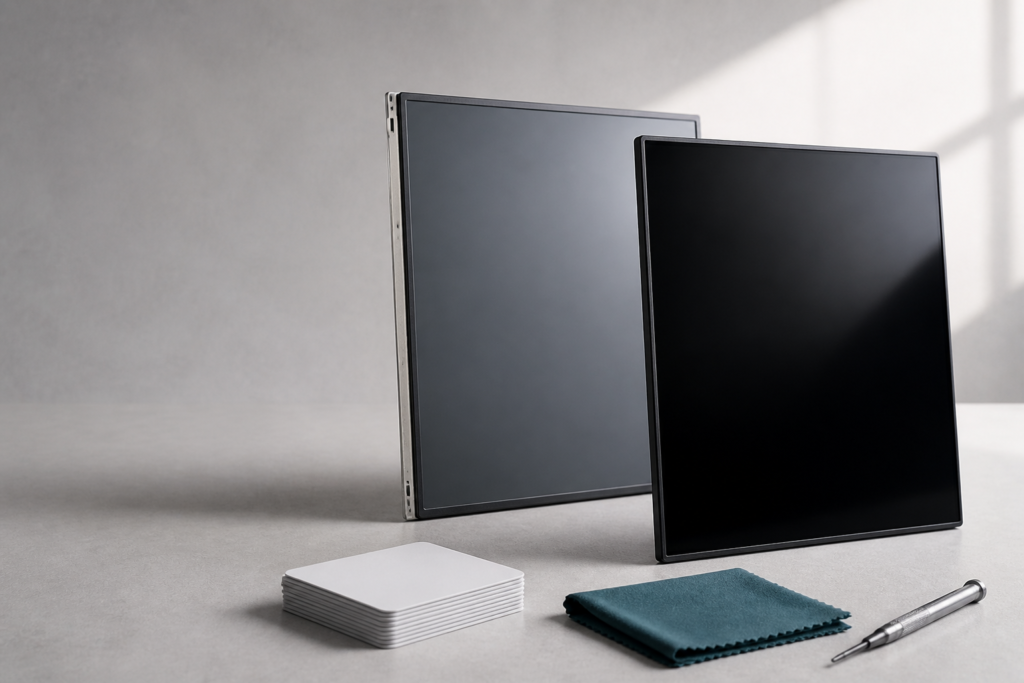
It is tempting to read OLED adoption as the end of LCD demand, but the replacement market tells a more layered story. LCD panels continue to serve a specific, durable segment of repair work.
LCD demand follows installed base, not launches
Millions of LCD phones are still in daily use across mid-range and value segments. Replacement demand tracks devices in circulation, not new shipments. For many markets, the installed base of LCD phones remains large and will stay active for years.
Cost structure matters for budget repairs
When a customer wants the cheapest reliable fix, the LCD option often wins. Repair shops need a price ladder: OLED for flagship owners who want original behavior, LCD for customers who want a working phone at minimum cost. Stocking only one technology means turning away part of the market.
Quality varies more in this segment
Because LCD panels are produced in many grades, buyers need sharper inspection habits: dead pixels, brightness consistency, touch response, and flex condition should be checked on samples. A disciplined receiving process is the difference between a profitable LCD line and a returns problem.
A practical panel strategy
- Stock OLED for high-demand flagship models.
- Maintain an LCD range for value repairs and mid-range installed base.
- Grade incoming LCD panels against a written checklist.
- Confirm panel type and assembly format with the supplier before ordering.
OLED is the story of premium phones. LCD is the story of value repair, and both stories continue to generate demand for parts buyers.
 Contact us to share more insights together